Uncover the Most Recent Breakthroughs in Roofing Materials and Practices
The roofing business is witnessing a remarkable transformation. Innovations such as solar-integrated solutions and eco-friendly materials are gaining traction. Homeowners now have access to options that prioritize sustainability and efficiency. Furthermore, modern installation methods and intelligent technologies are transforming conventional practices. As these innovations keep emerging, their influence on both appearance and performance presents significant considerations for property owners and industry experts alike. What comes next in this transforming landscape?
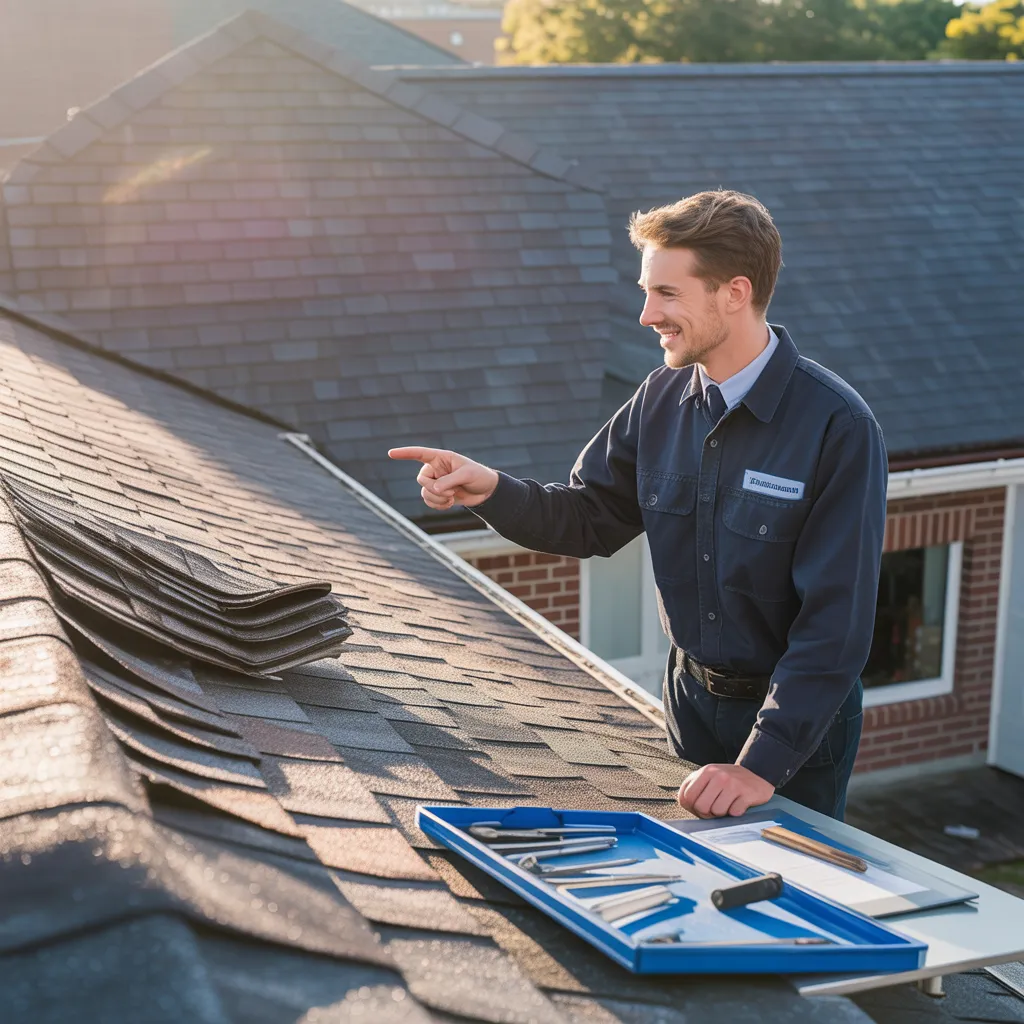
Solar-Integrated Roof Services
In what ways can property owners successfully utilize solar energy while upgrading their roofing installations? Solar-enhanced roofing options present a persuasive response. These innovative systems combine traditional roofing materials with photovoltaic technology, enabling property owners to produce power while preserving visual attractiveness. Through the integration of photovoltaic shingles or tiles, residents can effortlessly incorporate energy generation into their roof structures, optimizing power performance while preserving the structural character of their properties.
Such solutions not only lower reliance on fossil fuels but also cut utility bills. In addition, developments in solar technology have resulted in more durable, weather-resistant materials that can withstand extreme conditions, providing longevity. As energy demands rise, solar-integrated roofs provide an efficient, sustainable alternative that matches modern ecological targets. This dual functionality improves home value and advances environmental stewardship, positioning homeowners as proactive contributors in the renewable energy movement. In the end, this innovative approach transforms traditional roofing into an essential component of energy sustainability.
Sustainable Roofing System Products
Eco-friendly roofing materials are increasing in popularity as homeowners seek sustainable alternatives for their roofs. These materials not only reduce environmental impact but also boost energy efficiency, leading to lower utility costs. The increasing availability of advanced, sustainable materials offers exciting possibilities for the roofing industry.
Sustainable Product Material Alternatives
As homeowners increasingly prioritize sustainability, a variety of eco-friendly roofing materials have appeared as feasible choices. Within this selection, reclaimed wood provides a rustic aesthetic while minimizing waste, making it a preferred selection. Metal roofing, particularly made from recycled materials, provides extended lifespan and recycling potential, significantly reducing environmental impact. In addition, natural slate and clay tiles deliver durability and energy efficiency, often acquired through sustainable practices. Green roofs, which incorporate vegetation, enhance insulation and support biodiversity. Additionally, synthetic materials produced from recycled content can imitate traditional roofing styles while being less heavy and stronger. These sustainable options not only meet the pressing demand for eco-friendly construction but also accommodate the aesthetic and functional needs of modern homes.
Eco-Friendly Roof Options
As sustainability becomes increasingly prioritized, energy-efficient roofing solutions have become progressively vital for homeowners wanting to decrease their carbon footprint. These advanced roofing materials, such as cool roofs, green roofs, and solar shingles, deliver considerable energy savings by deflecting solar rays and strengthening insulation. Cool roofs, coated with reflective materials, can minimize rooftop temperatures, reducing the need for air conditioning. Green roofs, which incorporate vegetation, not only offer natural insulation but also boost urban biodiversity. Additionally, solar shingles integrate photovoltaic technology into traditional roofing, allowing homeowners to generate renewable energy. By implementing these eco-friendly solutions, homeowners can support environmental conservation while realizing lower energy bills and increased property value. Energy-efficient roofing represents a critical step toward a sustainable future.
Advanced Cool Roofing Systems
Cool roofing technologies signify a substantial innovation in roofing solutions focused on enhancing energy efficiency. Main features encompass energy-efficient roof coatings, reflective roofing materials, and innovative green roof solutions. These technologies do more than simply reduce energy costs but also enhance better urban climate resilience.
Energy-Saving Roof Coatings
Whereas traditional roofing materials frequently absorb heat, energy-efficient roof coatings, often referred to as cool roof technologies, reflect a considerable portion of sunlight and minimize heat retention. These coatings are usually composed of reflective pigments and specialized polymers that enhance their thermal performance. By reducing heat transfer, energy-efficient roof coatings can reduce indoor temperatures, causing diminished reliance on air conditioning systems. This not only promotes energy savings but also results in reduced greenhouse gas emissions. Moreover, these coatings can prolong the lifespan of roofing materials by protecting them from UV damage and weathering. Overall, energy-efficient roof coatings represent a sustainable solution that benefits both property owners and the environment, making them an ever more popular choice in modern roofing practices.
Reflective-Style Roofing Components
Reflective roofing products, frequently classified as cool roof systems, fulfill a critical purpose in boosting energy performance in buildings. These systems are constructed to bounce back a considerable degree of sunlight from the property, limiting thermal absorption and reducing internal temperatures. Through the use of reflective treatments, membranes, or roofing tiles, building owners can reduce their dependence on cooling systems, resulting in significant energy cost reductions. Additionally, these roofs contribute to mitigating urban heat island effects, promoting a cooler environment in densely populated areas. Accessible in diverse shades and textures, reflective roofing options can be architecturally appealing while supplying performance benefits. As understanding of global warming expands, the integration of reflective roofing systems is continually accepted as a green alternative for current construction approaches.
Living Roof Systems
Based on the advancements in reflective roofing materials, green roof solutions have emerged as an additional innovative approach to enhancing urban sustainability. These systems, which incorporate vegetation and soil on rooftops, deliver numerous environmental benefits. By absorbing rainwater, they reduce urban flooding and decrease heat island effects, thereby lowering surrounding temperatures. Moreover, green roofs improve air quality by filtering pollutants and producing oxygen. They also strengthen building insulation, contributing to energy efficiency and reducing heating and cooling costs. With diverse plant options, including native species, green roofs encourage biodiversity in urban settings. As cities continue to expand, green roof solutions represent a vital strategy for integrating nature into urban infrastructure, fostering more livable and more resilient communities.
Man-Made Roofing Materials
What turns synthetic roofing options a smart selection for contemporary construction? These cutting-edge materials provide a blend of longevity, aesthetic charm, and value. Composed of multiple polymers and composites, synthetic roofing materials mimic standard materials like slate or wood as they offering elevated performance characteristics. They are light in weight, which simplifies installation and minimizes structural load on buildings.
In addition, synthetic alternatives typically exhibit superior resistance to weather elements, including UV rays, moisture, and extreme temperatures, delivering durability and minimal maintenance requirements. Many solutions also come with warranties that indicate their longevity and dependability.
In terms of environmental impact, synthetic roofing materials can be made with recycled content, supporting sustainability efforts within the construction industry. Their versatility provides a variety of styles and colors, catering to diverse architectural designs. All things considered, synthetic roofing products offer an attractive alternative for homeowners and builders searching for modern solutions.
Sophisticated Installation Techniques
Numerous sophisticated installation methods have emerged in the roofing industry, notably boosting the effectiveness and effectiveness of the process. One notable method discussion is the use of prefabricated roofing systems, which permit for faster assembly on-site and decrease material waste. Additionally, modular roofing panels enable more convenient handling and installation, leading to substantial time savings.
A further innovative method entails the application of advanced adhesive technologies, which remove the need for mechanical fasteners in specific roofing applications, thus streamlining the installation process. The use of drones for site inspections and measurements has also gained popularity, providing accurate data and improving safety during the installation phase.
Additionally, training programs for roofing experts now emphasize precision techniques, such as correct flashing installation and thermal imaging assessments, to deliver enduring results. These cutting-edge installation approaches contribute to better overall roof quality and longevity, illustrating the industry's dedication to continuous improvement.
Intelligent Roofing Systems and Technology
Intelligent roof systems and technology are reshaping the way buildings handle energy and environmental conditions. These cutting-edge solutions integrate sensors, automation, and state-of-the-art materials to maximize roof performance. Built with real-time monitoring capabilities, smart roofs can measure temperature, humidity, and energy consumption, enabling efficient management of heating and cooling systems.
Moreover, numerous smart roofs utilize eco-friendly materials that increase energy efficiency by reducing heat absorption and enhancing insulation. Several systems even feature solar panels that generate renewable energy, additionally supporting sustainability efforts.
In addition, sophisticated smart roofing systems can alert building managers about potential issues, such as leaks or structural weaknesses, enabling timely maintenance. As urban environments increasingly face climate challenges, these solutions not only improve building resilience but also contribute to a reduction in overall carbon footprints, making them an essential component of modern architectural practices.
Your Questions Answered
How Should I Determine the Ideal Roofing Material for My Property?
To choose the most suitable roofing material, one should assess factors like climate, durability, aesthetics, budget, and maintenance demands. Working with professionals and exploring offered options guarantees an informed decision suited to the home's specific needs.
What Is the Average Lifespan of Modern Roofing Materials?
The mean longevity of contemporary roofing materials fluctuates substantially, generally spanning from 15 to 50 years. Asphalt shingle roofs endure roughly 20 years, while metal roofing can endure up to 50 years with appropriate maintenance and installation.
Are New Roofing Technologies Suitable for All Climates?
New roofing technologies are not universally suitable for all climates. Each material's performance varies based on environmental factors, necessitating thoughtful selection to ensure longevity and performance in specific weather conditions and regional challenges.
What Are the Best Practices for Maintaining New Roofing Systems?
To effectively maintain new roofing systems properly, routine inspections, quick repairs, debris clearing, and suitable cleaning methods are crucial. Moreover, observing manufacturer guidelines and guaranteeing adequate ventilation will prolong the service life and performance of the roofing materials.
What Are the Expenses Related to Innovative Roofing Solutions?
Costs connected to innovative roofing solutions vary widely, typically ranging from $5 to $15 per square foot. Variables impacting pricing include construction materials, installation complexity, and regional labor rates, influencing overall project budgets meaningfully.